
Cocciopesto Floor Explained:
How to Install It and Get the Best Results
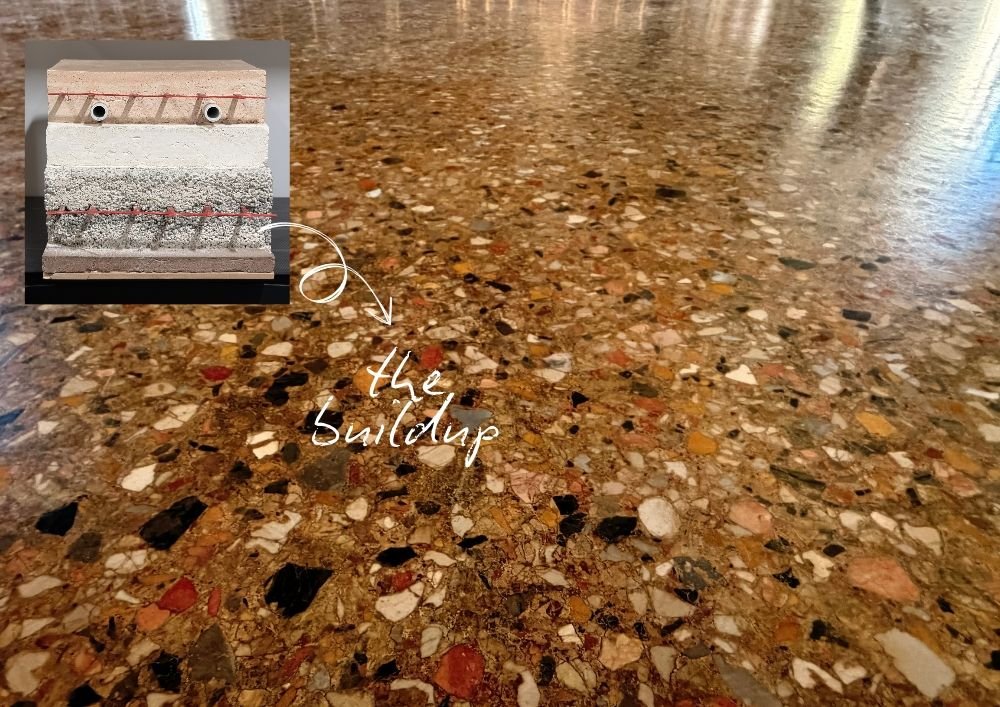
Cocciopesto is a traditional Italian flooring material made with lime and crushed terracotta. Used since Roman times, it offers an interesting alternative to conventional cement-based screeds, particularly in older buildings where breathable, traditional materials are important.
In this guide, we’ll look at the benefits of cocciopesto flooring, explain how to mix and apply the MGN Massetto Caldo cocciopesto lime screed, and explore a few ways to improve the performance of the complete floor system.
Why Choose a Cocciopesto Lime Floor?
Cocciopesto combines traditional building techniques with the practical requirements of modern homes.
One of the key features of the cocciopesto floor screed, Massetto Caldo MGN is its heat storage capacity.
Thanks to its crushed terracotta content, the screed can feel relatively warm to the touch, even without active heating. It can also absorb and store heat, releasing it gradually over time. These properties make Massetto Caldo particularly interesting for underfloor heating systems, although it can also be used without underfloor heating.
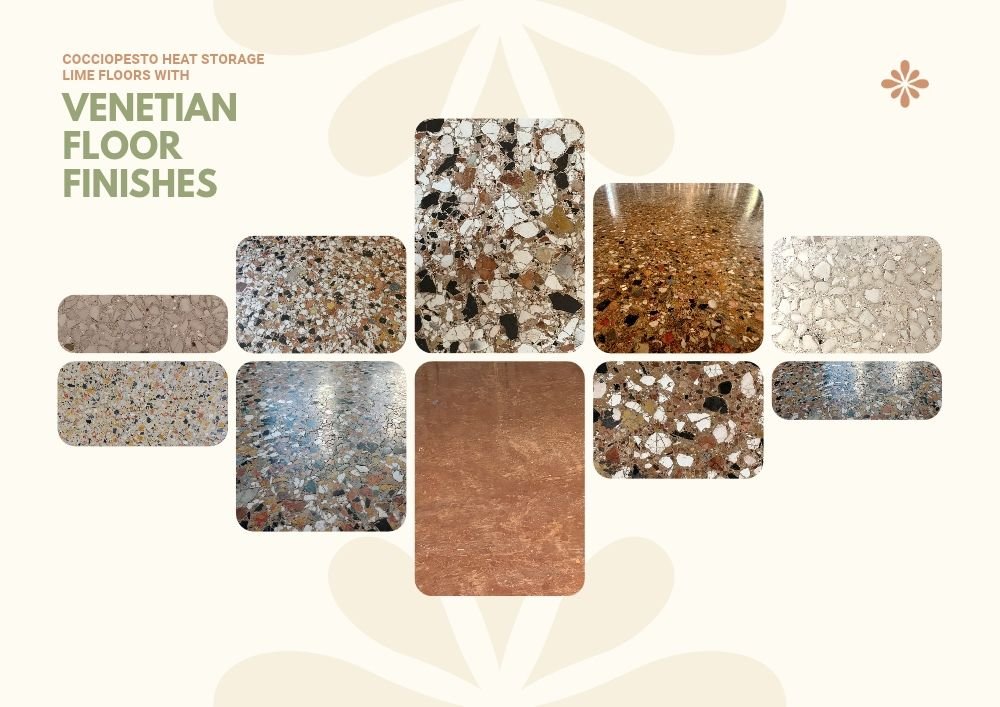
Other benefits include
- Traditional materials: A lime-based alternative to conventional sand-and-cement screeds.
- Versatile applications: Massetto Caldo MGN can be used on suspended timber floors and solid floor constructions. It is suitable for both traditional and modern buildings, in renovation projects and new-builds.
- A choice of finishes: The screed can be covered with timber, tiles or flagstones, or used as the base for a traditional Venetian Pastellone or Terrazzo floor finish.
Roman Lime’s Massetto Caldo MGN is based on a traditional Roman lime-and-terracotta recipe. According to laboratory measurements, it offers approximately 16% greater heat retention than a comparable sand-and-cement screed.
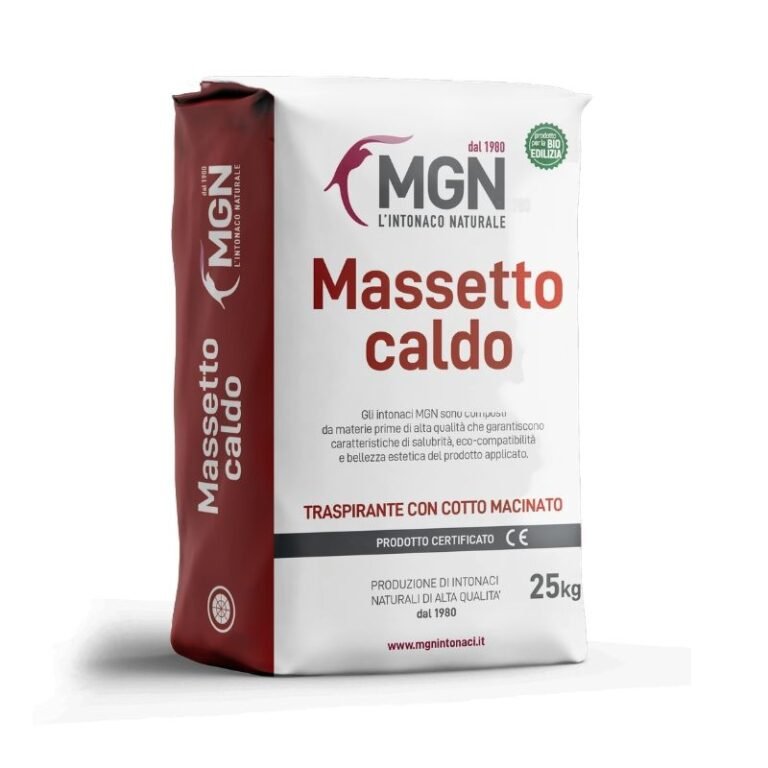
Massetto Caldo MGN
An original Roman lime mix with heat storage capacity. Its name stands for ‘Warm Screed’. Great for underfloor heating or other breathable flooring applications.
How to Install MGN Massetto Caldo: A Step-by-Step Guide
Watch the Massetto Caldo Installation Video
Watch the video to see how Massetto Caldo is mixed, applied and levelled.
It complements the written guide by demonstrating the installation process in practice.
Step 1: Prepare the substrate
Prepare the substrate thoroughly before applying the screed. Porous substrates should be dampened thoroughly and evenly with water, in accordance with the product’s installation instructions, to prevent them from absorbing moisture too quickly from the fresh mix.
The underlying floor construction is equally important. A complete cocciopesto floor may incorporate a capillary-breaking layer of foam glass aggregate, a limecrete slab and additional insulation, depending on the requirements of the project.

Step 2: Mix the Massetto Caldo
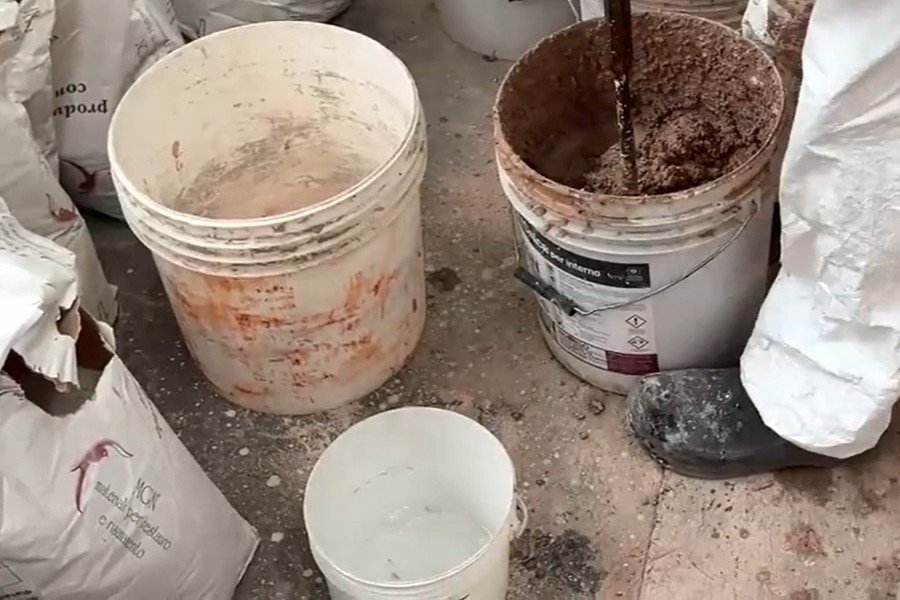
Begin with the dry material and gradually add water while mixing until you achieve a consistent, semi-fluid mix suitable for application.
Adding water gradually during mixing helps maintain the correct water-to-powder ratio and ensures the screed develops its intended properties. Excess water can compromise the hydraulic reactions responsible for hardening, resulting in a weaker, more brittle screed. Adding more powder afterwards may not restore the original mix properties.
Step 3: Apply, spread and level
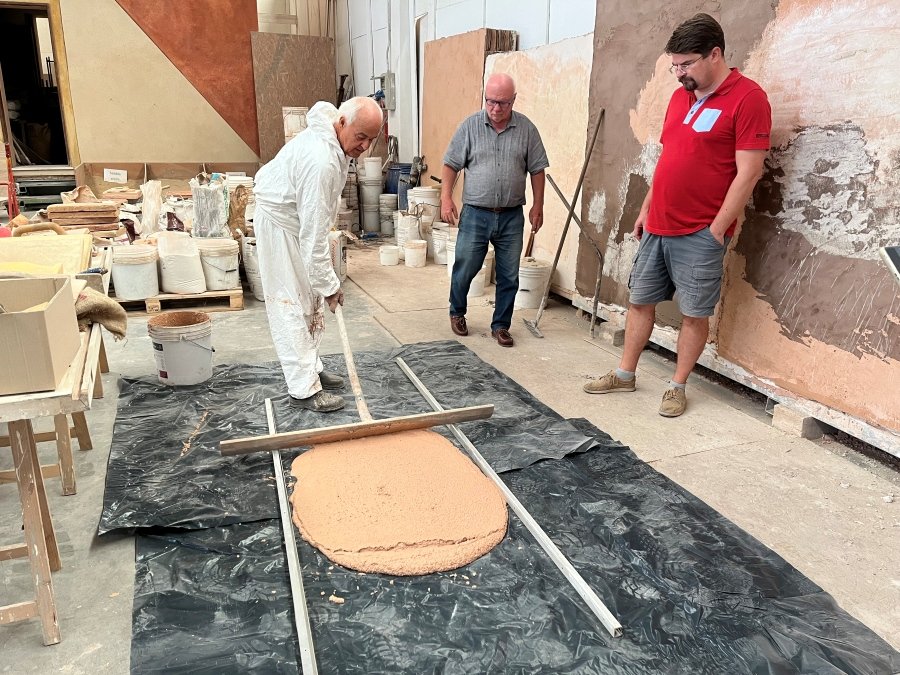
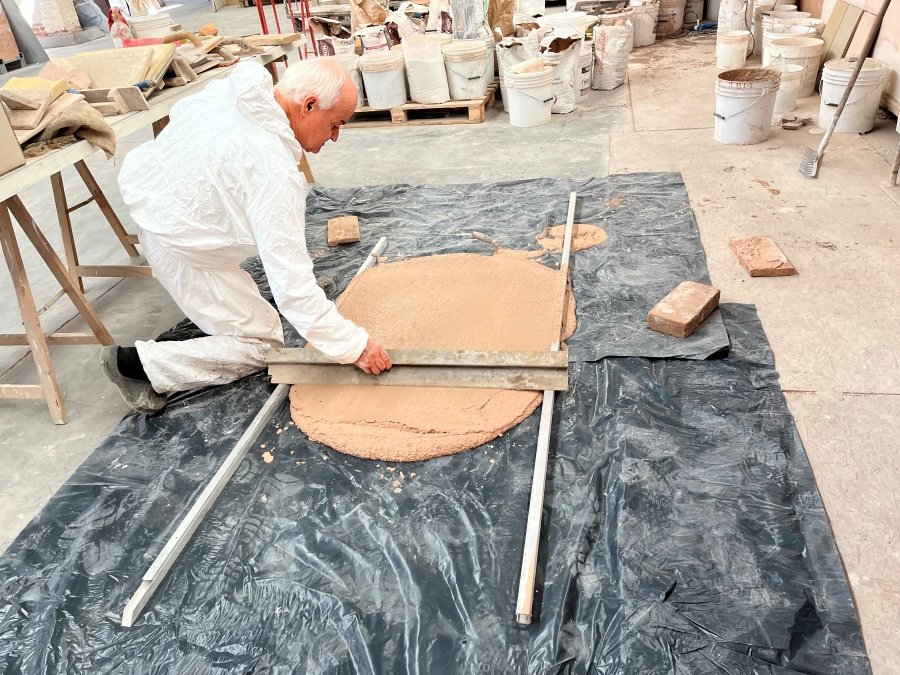
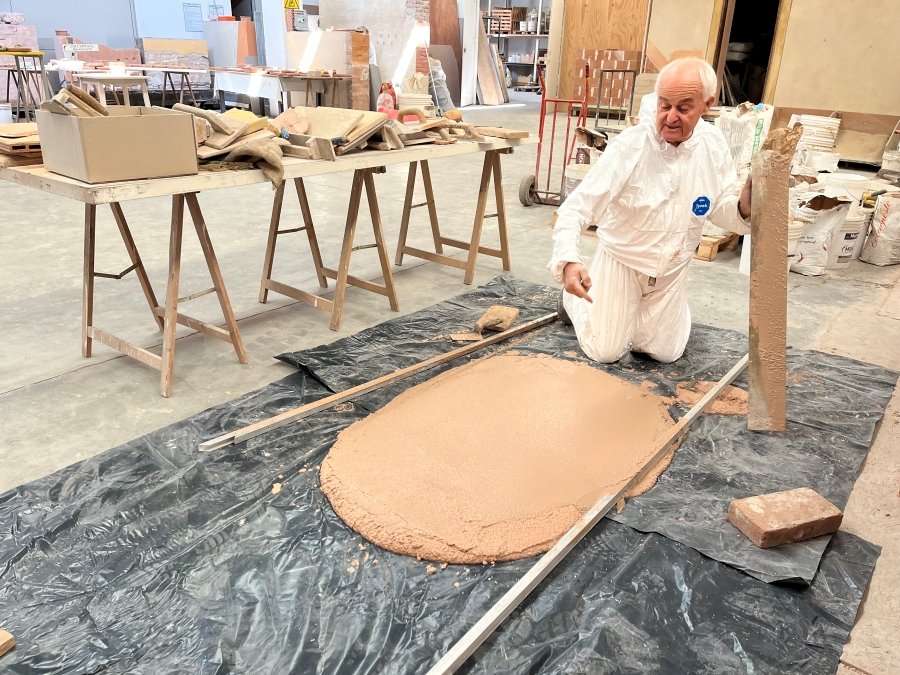
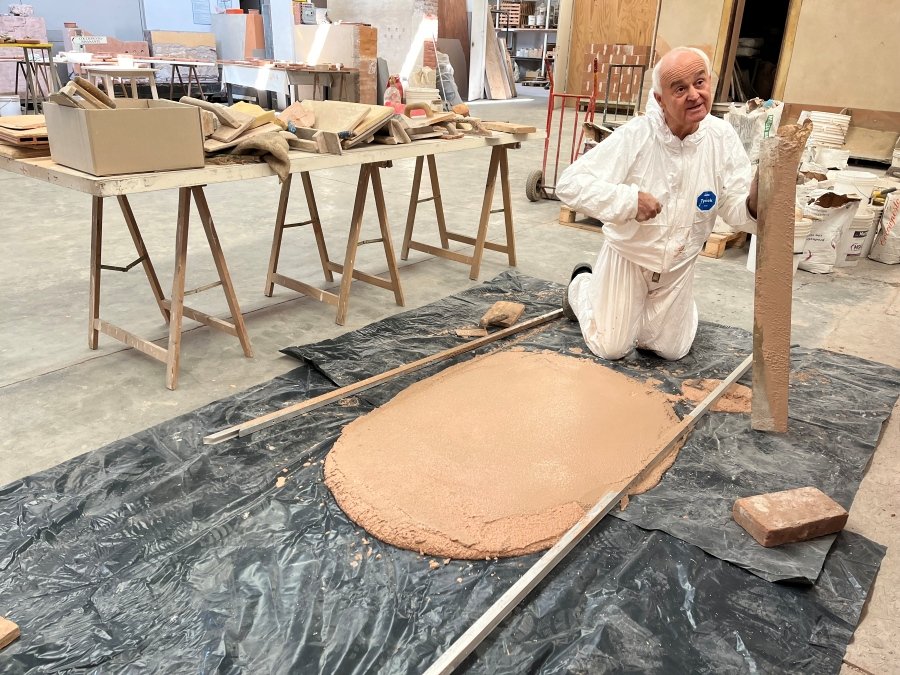
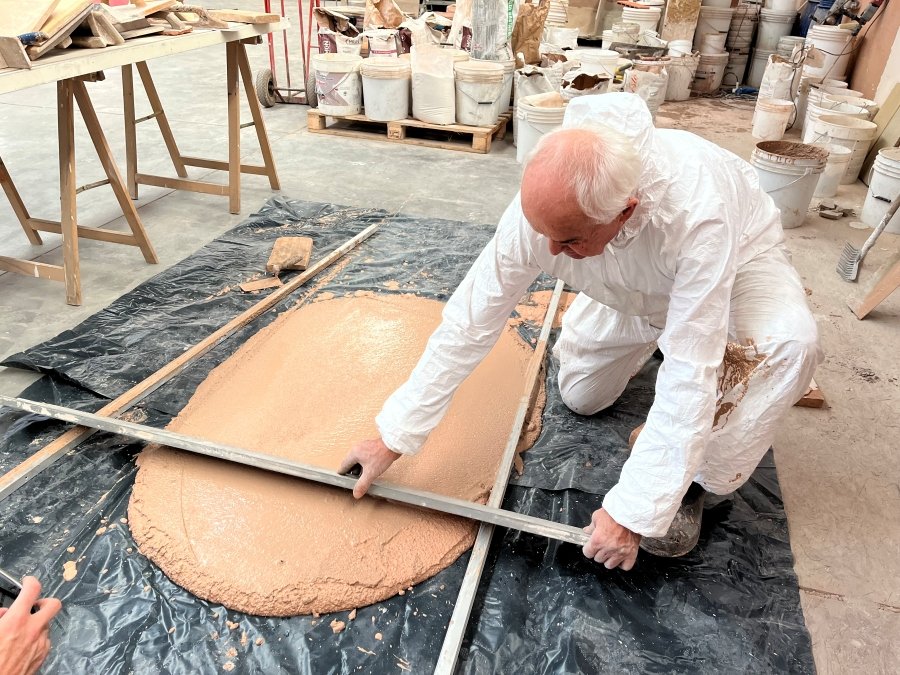
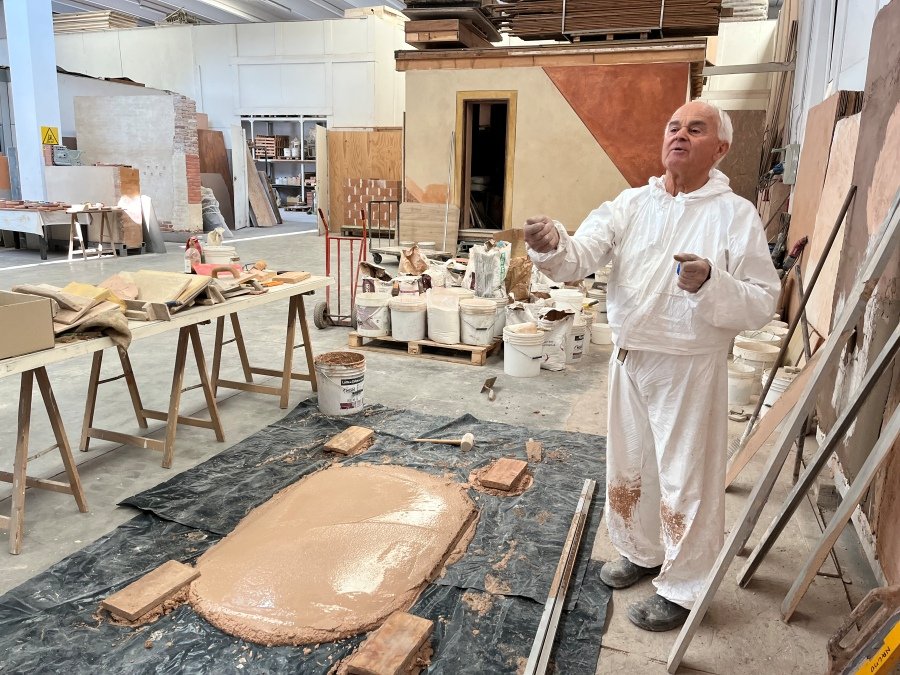
Pour the screed onto the prepared surface. Spread it evenly and level it to achieve the specified thickness and required floor level. Using pre-levelled guides is recommended to achieve a consistent thickness and smooth surface across the floor.
4: Refine the surface
The surface can be refined the following day by scraping away ridges and high spots, following the recommended Massetto Caldo installation process.
5: Protect the floor during initial curing
Protect the freshly laid screed during the initial curing period, following the manufacturer’s recommended procedure. Where specified, cover the floor with plastic to help prevent excessively rapid moisture loss and uneven drying.
Should you have any questions
Cocciopesto Floor Installation:
Essential Dos and Don'ts
DO
- Prepare and dampen the substrate as specified in the installation instructions.
- Start with the dry material and add water gradually.
- Aim for the specified semi-fluid consistency.
- Use pre-levelled guides to help achieve a consistent floor level.
- Follow the recommended surface-refining and curing procedures.
DON’T
- Underestimate how much moisture a porous substrate can absorb.
- Add all the water at once without checking the consistency.
- Add excess water to make the mix easier to spread.
- Forget your wellies! Massetto Caldo is a soft, workable material that you may need to walk through during installation.
- Allow the screed to dry too quickly or unevenly.
Finally, consider the complete floor build-up from the outset, particularly where moisture management, insulation or underfloor heating is involved. A well-designed floor construction is essential to achieving a durable and successful result.
How to Improve the Performance of a Cocciopesto Floor
A cocciopesto screed is one component of a floor system.The original limecrete floor performance video explores three additional considerations.
This video brings the three concepts together: moisture management with Rinzaffo MGN, additional insulation with Termorasante Aerogel, and the heat-storage capacity of a lime-and-terracotta screed.
It shows how a traditional lime floor can be developed into a more comprehensive system for modern comfort.
Moisture management with Rinzaffo MGN
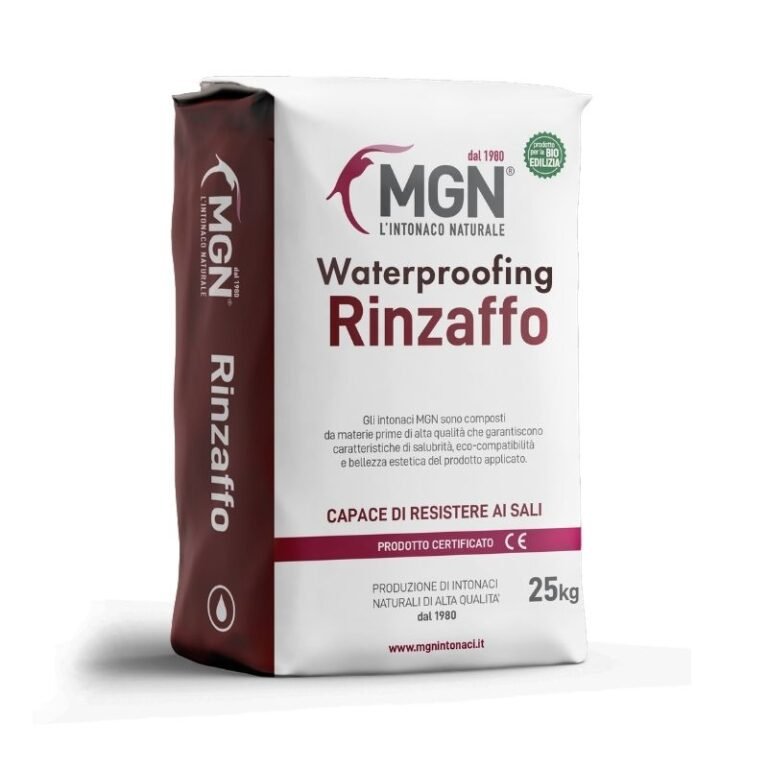
In the floor system demonstrated in the video, Rinzaffo MGN is used as a breathable, waterproof lime base that helps manage liquid moisture and salts.
Its role is to act as a moisture barrier while allowing vapour movement, which might also be needed when the water table is high, the substrate wet or the floor is installed in a cellar.
Additional insulation with Termorasante Aerogel
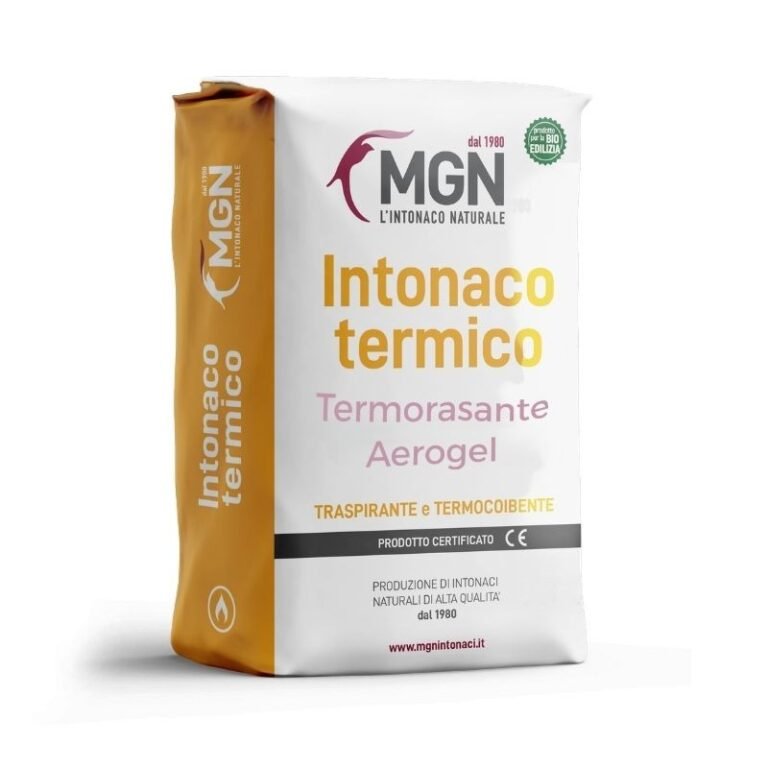
Where additional insulation is required, Termorasante Aerogel MGN is a great addition to your floor buildup. It is a super-insulating lime mortar with reflective thermal properties.
The floor performance video demonstrates how this can form part of an upgraded limecrete system. You can also explore the specialist insulation solutions at Aerogel Lime.
Thermal mass
and heat retention
The third consideration is the screed itself. Massetto Caldo contains crushed terracotta that stores heat and releases it gradually.
When combined with underfloor heating, this thermal mass can help the floor act as a heat reservoir. The performance of the complete system depends on how its different layers work together.
Getting the Best Results from Your Cocciopesto Floor
Cocciopesto flooring offers a way to combine traditional lime-based materials with modern floor-performance requirements. The key is to consider both the installation of the screed and the construction beneath it.
By carefully preparing the sub
If you are working on an older property and need advice on the wider building, we can also help you explore the options.
Mick
Building Conservation Specialist of Core Conservation